Fire hazards remain one of the most serious threats to industrial facilities. Beyond the risk to human life, fires can cause devastating damage to equipment, inventory, and operations. The good news is that proactive measures can significantly reduce these risks. By combining smart planning, modern technology, and consistent training, facilities can build strong defenses against fire hazards.
In this article, we’ll share our five practical strategies to help safeguard your industrial site.
Conduct Regular Fire Risk Assessments
The first step in strengthening your facility against fire hazards is to understand where the risks lie. Fire risk assessments should be carried out regularly to identify potential ignition sources, combustible materials, and vulnerable areas. These assessments allow managers to prioritize improvements and implement preventive measures before problems escalate.
For example, electrical systems should be inspected for faulty wiring, while storage areas should be checked for flammable materials. A thorough assessment also ensures compliance with safety regulations, which can protect your business from costly penalties. Risk assessments should not be treated as a one-time activity. Industrial environments change constantly, with new equipment, processes, and materials being introduced. Each change can create new hazards.
By scheduling assessments quarterly or semi-annually, facilities can stay ahead of evolving risks. In addition, involving employees in the process helps uncover issues that may not be obvious to management. This collaborative approach builds a culture of safety and ensures that everyone is aware of potential dangers.
Install and Maintain Fire Suppression Systems
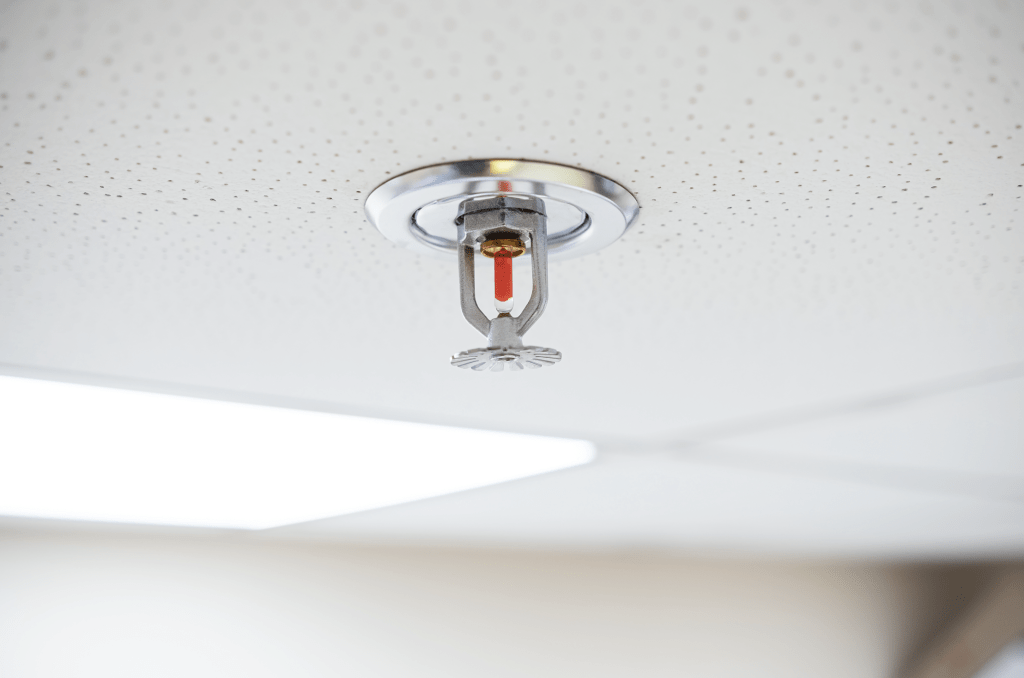
Fire suppression systems are one of the most effective defenses against industrial fires. These systems are designed to detect and control fires quickly, minimizing damage and preventing flames from spreading. Options include water-based sprinklers, foam systems, and gas-based suppression units, each suited to different types of facilities and hazards.
Regular maintenance is essential to ensure these systems function properly when needed. This includes testing alarms, checking water pressure, and replacing worn components. Beyond installation, facilities should consider integrating fire suppression systems with modern monitoring technology. Smart sensors can detect changes in temperature or smoke levels and trigger alerts before a fire escalates.
Remote monitoring also allows managers to oversee system performance in real time, ensuring that suppression systems are always ready. Investing in reliable fire suppression systems not only protects valuable assets but also provides peace of mind that your facility is prepared for emergencies.
Utilize Skid Units for Rapid Response
In large industrial sites, quick response can make the difference between a minor incident and a major disaster. Skid units are portable firefighting systems that can be mounted on trucks or trailers, allowing teams to reach fire outbreaks fast. These units are especially useful in areas where permanent suppression systems may not be practical, such as outdoor storage yards or remote sections of a facility.
Equipped with pumps, hoses, and water tanks, a skid unit provides flexibility and mobility during emergencies. They can be deployed in different parts of a facility depending on the situation, making them a versatile addition to any fire safety plan.
Facilities that handle combustible materials outdoors, such as lumber or chemical storage, benefit greatly from having skid units available. By integrating skid units into your fire safety plan, facilities gain an extra layer of protection and ensure that response teams can act swiftly when seconds count.
Train Employees in Fire Safety Protocols
Technology alone cannot prevent fires—people play a critical role in fire safety. Employees should be trained to recognize hazards, respond to alarms, and use firefighting equipment correctly. Training sessions should cover evacuation procedures, safe handling of flammable materials, and proper use of extinguishers.
Regular drills help reinforce these lessons and prepare staff for real emergencies. Training should also be tailored to specific roles within the facility. For example, maintenance staff should understand how to shut down equipment safely during a fire, while warehouse workers should know how to handle combustible goods.
In addition, supervisors should be trained to coordinate evacuations and communicate with emergency responders. When workers are confident in their roles during a fire, the chances of injuries and property damage decrease significantly. A well-trained workforce is one of the strongest defenses against fire hazards in any industrial setting.
Implement Strong Storage and Housekeeping Practices
Poor storage and housekeeping often contribute to fire risks in industrial facilities. Flammable materials should be stored in designated areas with proper ventilation and fire-resistant containers. Pathways and exits must remain clear to allow for safe evacuation. Dust, debris, and waste should be removed promptly, as they can fuel fires and block suppression systems.
Strong housekeeping practices also extend to equipment maintenance. Machines that accumulate grease, oil, or dust can become ignition sources if not cleaned regularly. Facilities should establish strict policies for handling chemicals and combustible products, ensuring that they are labeled and stored correctly.
By maintaining clean and organized spaces, managers reduce the likelihood of accidental ignition and create safer working conditions for everyone. Good housekeeping is not just about compliance—it is about creating a culture of safety that protects both people and property.
Conclusion
Industrial fires can be devastating, but they are not inevitable. By conducting regular risk assessments, installing fire suppression systems, utilizing skid units, training employees, and maintaining strong housekeeping practices, facilities can greatly reduce their vulnerability. Each of these strategies works together to build a comprehensive fire safety plan that protects people, property, and operations.
 Businify